

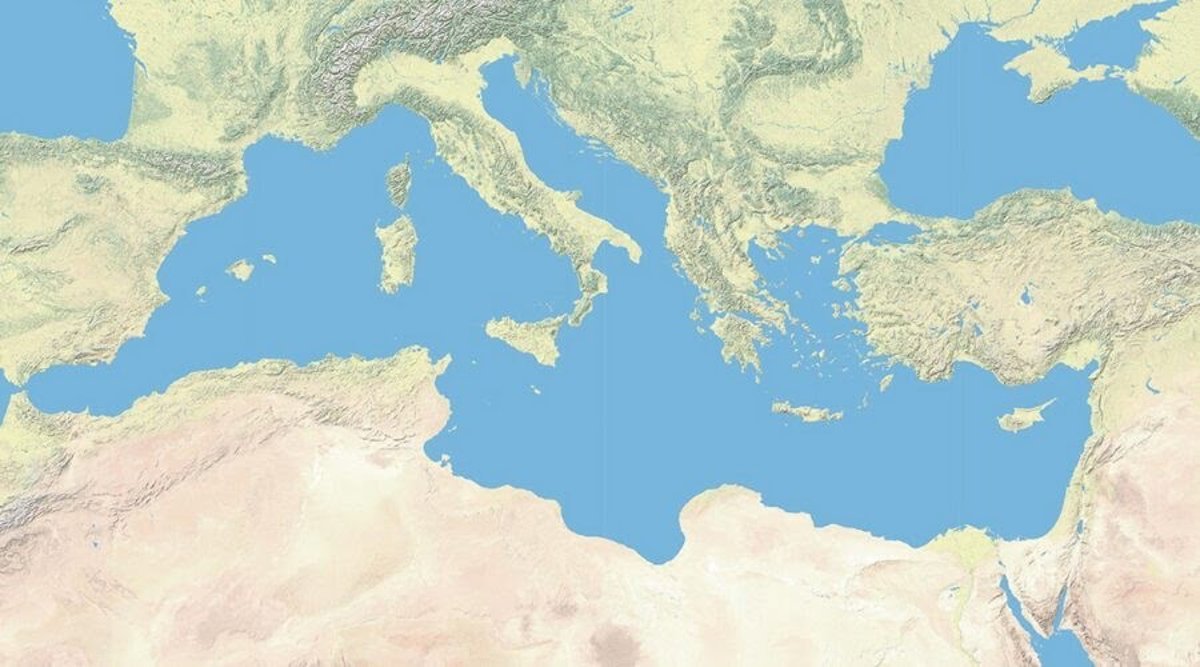
Barcelona will host the Conference of Mediterranean Cities this week, which for the first time will be part of the program of the Regional Forum of the Union for the Mediterranean (UpM).
State representatives of the X Forum will receive an institutional declaration from the Conference on the role of cities in the future of the region, as reported by the Barcelona City Council this Sunday in a press release.
The Conference is organized by the City Council, MedCities, and Iemed, with the support of the Metropolitan Area of Barcelona, Barcelona Provincial Council, and Catalonia International.
This coincides with the 30th anniversary of the Barcelona Process, the initiative of euro-Mediterranean regional cooperation to promote political, economic, and social collaboration between the EU and the countries on the southern and eastern shores of the Mediterranean.
On Wednesday at 16:30, Mayor Jaume Collboni will receive about 40 mayors and representatives from euro-Mediterranean regions and the President of the Anna Lindh Foundation, Princess Rym Ali, at the City Council.
On Thursday, the new European Commissioner for the Mediterranean, Dubravka Suica, will open the roundtable sessions of the ‘Conference 30 years of the Barcelona Process’ at the Palau Pedralbes, and it will be closed by the Deputy Mayor for International Relations, Maria Eugènia Gay.
The meeting, titled ‘Strengthening local action for regional transformation,’ will last two days and aims to «promote inclusive dialogue» about the euro-Mediterranean future and engage sectors of civil society, the academic world, and socio-economic agents in the region.
DECLARATION INSTITUTIONAL
On Friday, Mediterranean cities plan to present their institutional declaration to the UpM ministerial meeting, promoted by the Barcelona City Council, MedCities, and IEMed.
The text outlines 6 priorities and strategic areas that urge action from local governments (municipal and metropolitan), the EU, and regional and international institutions.
The document highlights the role of cities and metropolitan areas as drivers of «resilience, sustainable and inclusive urban growth, and mitigation and adaptation to the climate emergency,» emphasizing that cities are vital to ensuring they are habitable, equitable, inclusive, prepared for the future, and responsible for protecting the planet.
FONT