

The volume covers elements such as the Piló, Sant Jordi, la Diada, 1-O, Catalan, and Barça.
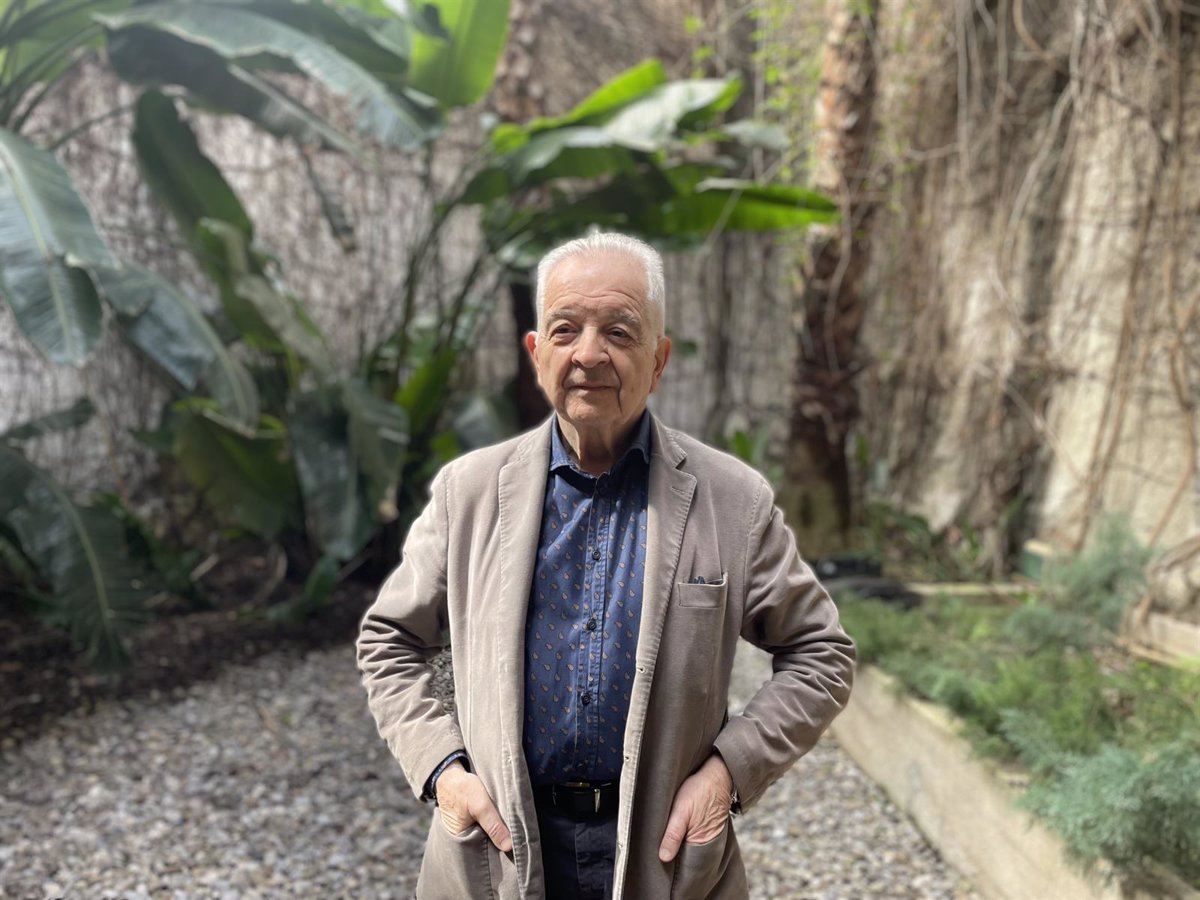
Historian Borja de Riquer has coordinated the volume «The Memòria Dels Catalans» (Edicions 62), which brings together 221 elements of Catalan imagery and has stated that Catalonia is «a very peculiar country, with a complex history» in which language is a fundamental issue.
In a press conference this Wednesday, the historian explained that 136 experts have been involved in this collective work and 221 very different episodes have been selected: «I don’t know, except for encyclopedias, a book in which so many diverse people have collaborated.»
De Riquer has said that Catalonia is «a country with internal tensions,» so memories are plural and diverse, with elements of agreement and disagreement that must be reflected in the volume.
The volume collects places, symbols, events, myths, characters, legends, traditions, and representations that define the collective Catalan imagery, with which they wanted to reflect on «how the identity of the Catalans has been constructed» with an explanation of these elements.
It approaches elements such as the GRUCE the Pilot, the Catalan language, the «senya,» the corner of the «segadors,» Montserrat, Patum de Berga, the «Castillos,» FC Barcelona, 1-O, Montserrat, the memory sites of the Civil War, the legend of Sant Jordi, among others.
The items are divided into symbols, flags, and anthems; days and commemorations; characters and events; memory; divided memory; Memory sites; Language, literature, and culture; cultural heritage; media; the character of the Catalans; landscapes and territories; popular culture; leisure and sports, and dances and music.
It has been said that it is not a «nostalgic excuse» and it has been emphasized that it was not easy to select for a book that reaches a thousand pages, so a selection of what has been considered fundamental has been made.
### Importance of language
Borja de Riquer has highlighted that for him a fundamental problem lies in language, as there are other nations without a state that have lost their language, but in the case of Catalan, it is «very unusual.»
The historian has stated that until 1714 «very clearly» only Catalan was spoken, and later, despite the imposition in his judgment of Spanish and the desire to overcome the Catalan language, society tried to resist and in the 19th century the elites made a commitment so that they were not abandoned, neither in speech nor in writing.
He has stated that in the articles they have sought to show that these existing controversies appear in Catalan society, as in the one dedicated to 1-O, and has said that the volume shows the «internal contradictions of society, logical in all mature societies.»
De Riquer has said that another «peculiarity» of Catalonia is to commemorate a defeat like that of September 11, 1714, and has stated that they did not want to hide contradictions such as the tradition of bullfighting has disappeared, but the «correbós» remains.
The volume is recommended by historian Joaquim Albarda, musicologist Jaume Ayats, philologist Margarida Casacuberta, historian Josep M. Muenz, anthropologist Xavier Roigé, historian Josep Maria Salarach, and artist Pillez.
FONT